
Illegal Tariffs and the Consequences We Now Face
SCOTUS struck down Trump's tariffs, but now the real legal battle begins

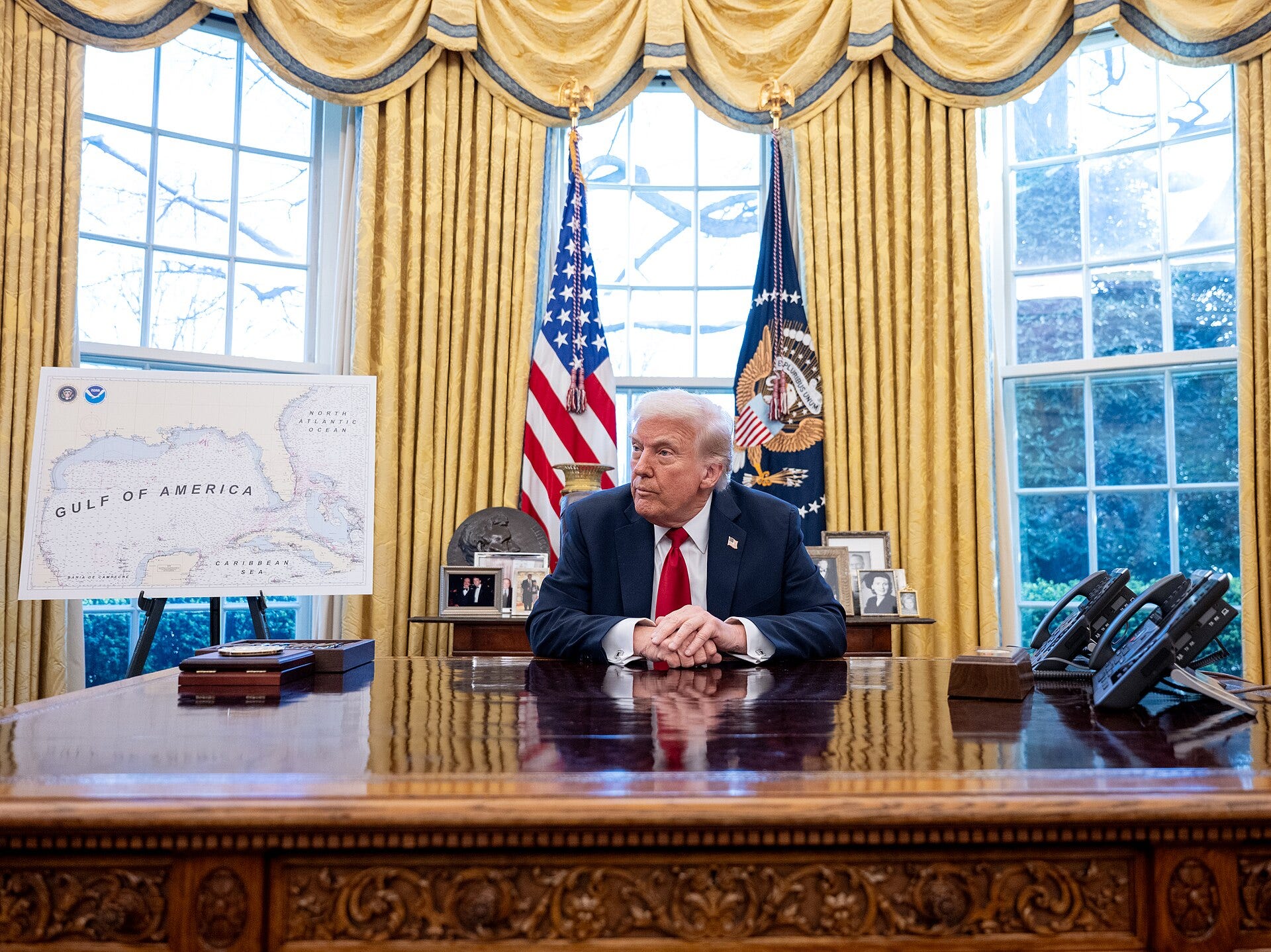

Unconstitutional. Illegal. But now what?
You can read the U.S. Supreme Court’s 6-3 ruling that invalidated most of the Trump tariffs, but the issue I’m most interested in is the legal battle that is about to begin.
There is approximately $130 billion that was collected under the now-invalidated authority President Trump claimed under the International Emergency Economic Powers Act (IEEPA). Of note, there are tariffs — including China trade practices and steel/aluminum — based on other laws that are still active because the Court did not address those statutory authorities.
But any of the sweeping “reciprocal” tariffs on nearly all trading partners and specific emergency levies on Mexico, Canada, and China were all struck down.
Is it fair to say we’ve been liberated from Liberation Day?
Look, had Trump just narrowed the duration and scope of these tariffs, they probably would have withstood scrutiny. Justices Roberts and Gorsuch indicated as much in their respective opinions.
And Trump’s right that not all trading partners engage the U.S. fairly. But the madman approach of unbounded tariffs that constantly change based on how someone spoke to him likely led to their demise.
The authority he relied on (IEEPA) is an emergency powers act. Emergencies don’t exist in perpetuity and they usually involve extraordinary circumstances. When you claim that everything is an emergency, then nothing is. It becomes the normal state of affairs.
What’s about to come next, however, is anything but normal. There will be massive administrative and commercial ripple effects — not to mention lawsuits! — as a result of the Supreme Court invalidating most of the Trump tariffs.
The $130 billion question
While some companies will likely get a refund on tariffs, you — the consumer — almost certainly won’t. Most of the tariff costs over the past year have been passed on to all of us. Meanwhile, approximately $130 billion was collected under the now-invalidated IEEPA authority.
So where do we go from here?
One court and government agency will have to manage the fallout: the U.S. Court of International Trade (CIT) and Customs Border Protection (CBP).
And whether companies get refunds through this court and agency will likely come down to one determination: “liquidation.” When an import entry gets “liquidated”, it means it has been finalized by CBP. At that point it is nearly impossible to get a refund.
Most of the bigger importers, in anticipation of this Supreme Court decision, filed protective lawsuits or protests to keep their import entries open and “unliquidated.” But many of the smaller guys couldn’t afford this type of anticipatory legal battle so many of their entries were liquidated.
Invariably, what this means is that this Court decision, while better in the long term for all U.S. importing businesses, will detrimentally affect smaller businesses more because they’re far less likely to see tariff refunds from the government.
Those that did file refund lawsuits already will have to wait in line. The CIT will need to devise some sort of master litigation track to avoid a complete logjam of the court system.
And don’t forget the “I” word — interest! The government will likely owe interest to anyone afforded a refund. This could add billions to the projected $130 billion in liability, which of course will be ultimately borne by us taxpayers.
So this entire tariff experiment under emergency executive powers has become one complete and expensive mess.
A supply chain litigation mess
In addition to all the refund requests and lawsuits, this Court ruling will likely trigger a new wave of class-action filings. This decision is a plaintiff lawyer’s dream given the potential scale of affected businesses and consumers.
All of the smaller importers and mom & pop businesses that couldn’t afford to sue individually in 2025 will likely be brought together in various class actions.
And they will likely sue each other too. If one company imported but another distributed or purchased wholesale, there will inevitably be finger-pointing as to who’s owed the refund.
A manufacturer in Ohio, for example, may have imported components, added the tariff cost to their wholesale price, and sold to a distributor. That distributor may have marked it up further before selling to a retailer, who then passed it to consumers.
Importantly — only the importer of record gets the refund. Everyone further downstream absorbed the cost but has no direct refund claim against CBP.
So you will likely see a wave of litigation up and down the supply chain filed by those who don’t have direct refund claims. This litigation will also likely include contractual disputes for the many “tariff adjustment clauses” added to commercial contracts in 2025 (with parties arguing that they’re now owed price reductions).
And this is all before we even get to claims and lawsuits against the government.
What the government will likely argue
I don’t expect Trump or the rest of the government to accept this without a fight.
Their strongest argument is for prospective relief. This means that while they won’t collect duties on new imports, they will keep everything they already collected.
In cases where import entries were already liquidated, the government will have a better argument. They will say, “This import was stamped, sealed, and delivered by CBP. It’s been liquidated. Therefore, we can’t issue a refund.”
The trouble with this argument is that in many tax cases, retroactive refunds are legally required for invalidated taxes. And tariffs are part of Congress’s taxing authority. So prospective relief will be a hard argument for the government to win.
Also expect the government to pivot, which Trump has already promised to do. Instead of citing IEEPA, the government plans reapply 10% tariffs under well-tested laws that the Court did not strike down (see examples above re: China’s trade practices and steel/aluminum). So commercial relief for affected U.S. importers could only be temporary depending on how hard the government wants to continue fighting this ruling.
It was never about tariffs, it was always about control
If tariffs were truly about creating a new “golden age” for America, U.S. households wouldn’t have lost between $1,000 and $2,400 in purchasing power during 2025 according to nonpartisan groups (Yale Budget Lab and the Tax Foundation).
We wouldn’t have seen prices on everyday essentials get hit hard. Apparel and shoe prices spiked (15-37%) as retailers passed on import duties to consumers (often around 25%). Grocery prices increased, especially on meat and fresh produce. Electronics and new car prices also rose by an average of $4,500.
Most affected, however, were working class voters. Tariffs are inherently regressive. Lower-income families get hit the hardest because they spend a larger percentage of their income on basic goods than rich people do. And tariffs hit those basic goods the hardest.
None of those working class folks will be getting checks in the mail from the IRS or U.S. Customs.
Although creative class-action lawyers may try for unjust enrichment cases against major retailers who do get refunds despite having raised prices for consumers. This legal theory has had mixed success historically, but the scale and scope of affected consumers here will be too tantalizing for plaintiff lawyers to pass up. Expect retailers to argue that countless variables affect prices, but if plaintiffs can demonstrate meaningful price increases post-tariffs (which I think they can), these lawsuits may have legs.
Regardless, this was never about tariffs improving the lives of everyday people. It was always about control. Commanding the world stage. Theater.
Tariffs were a negotiating strategy for the current administration; where it attempted to extract concessions from weaker trading partners. Tariffs were simply a controlling means to those ends.
And in the end we’re left with mostly illegal tariffs, higher consumer prices, and much more litigation to come.
For more thoughts on this Supreme Court case, check out this video I posted on Instagram:
Nuts - just absolutely nuts 🥜
Interesting twists and turns to this story. Can he just put a 10% tariff now across the board?